
How to Prevent Roof Leaks and Keep Your Home Waterproof
By the Sri Sai Architectural Team · 9 min read
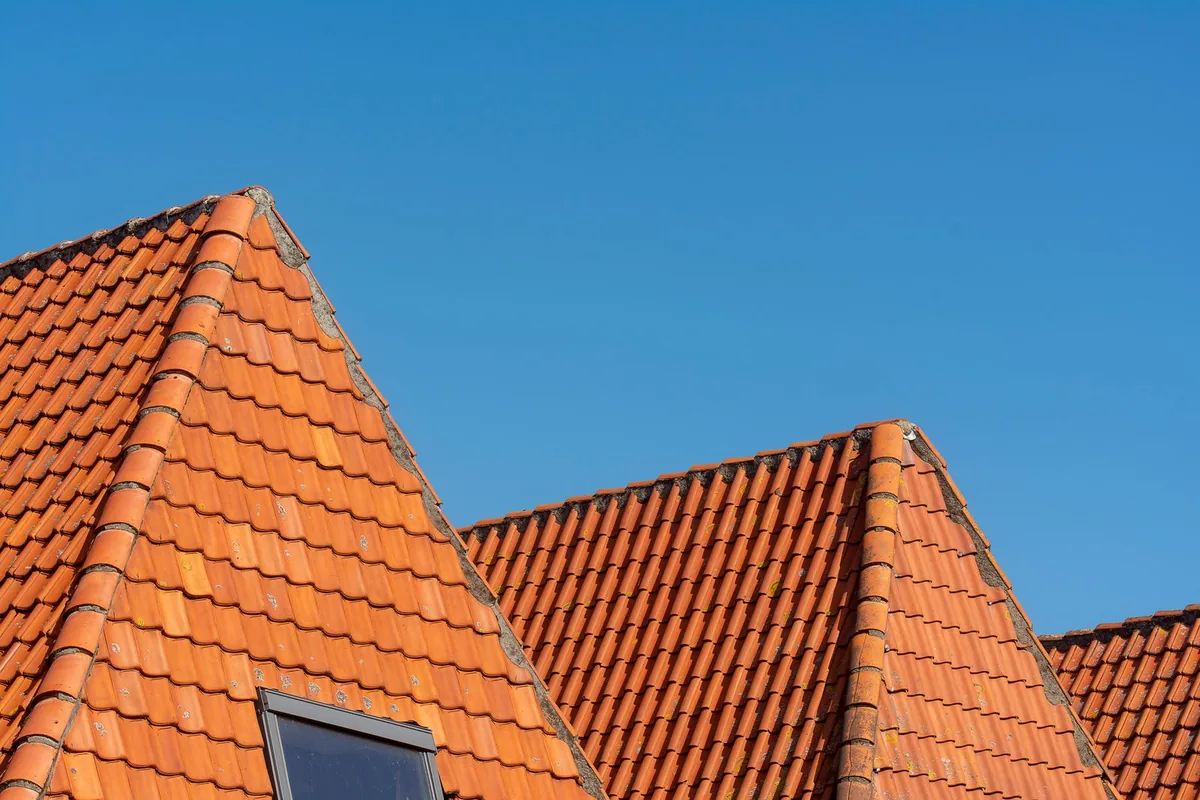
The roof is one of the most important parts of your home. It protects your family and belongings from rain, wind, heat, and moisture. When your roof is in good condition, you probably do not think about it very often. However, once you notice water on the ceiling or walls, it is usually a sign that something needs attention.
In many cases, a roof may have a problem for weeks or even months before you notice water inside your home.
Roof leaks can happen for many reasons. Sometimes, the cause is easy to spot, such as a cracked tile or damaged shingle. In other cases, water may enter through a small gap around a pipe, vent, or wall joint and travel through the roofing structure before appearing inside your home.
Regular roof inspections can help you identify these problems early. You do not need to inspect your roof every day. Simple checks, timely repairs, and proper waterproofing can go a long way toward keeping your home dry and protected.
Understanding Roof Waterproofing
Roof waterproofing is the process of protecting a roof from water penetration. The main purpose is to prevent rainwater from entering through cracks, joints, gaps, or weak areas and causing damage inside your home.
A properly waterproofed roof should provide long-term protection rather than simply keeping water out for a short period. The right waterproofing method depends on several factors, including the type of roof, local weather conditions, the amount of rainfall, and the current condition of the roofing surface.
Different waterproofing materials and methods are available for concrete, tiled, metal, and shingle roofs. Before applying any waterproofing treatment, the roof surface needs to be inspected and properly prepared.
If your roof already has a leak, waterproofing alone may not solve the problem. First, you need to identify the source of the leak and repair the underlying issue. Applying a coating over a damaged area without fixing the cause may only provide a temporary solution.
Find Small Roof Problems Early
Small roof problems are usually much easier and less expensive to repair than major damage. That is why it is important to pay attention to changes around your home.
After heavy rain, check your ceilings and the upper sections of your walls. Water stains, bubbling paint, damp patches, or a musty smell can indicate that moisture is entering your home.
When it is safe to do so, inspect the roof as well. Look for cracked or missing roofing materials, damaged seals, loose flashing, and areas where water remains standing after rainfall.
You do not have to wait until water starts dripping from the ceiling. Even a small sign of moisture deserves attention, especially if it appears every time it rains.
Keep Rainwater Moving Away From the Roof
Rainwater needs a clear path away from your roof. Gutters, drains, and downpipes play an important role in directing water away from the building.
When gutters become blocked with leaves, dust, dirt, and other debris, rainwater cannot flow properly. It may overflow onto the edge of the roof and run down the exterior walls. In some cases, water may also remain around the roof for longer than it should.
Cleaning your gutters regularly can help prevent these problems. The required cleaning frequency depends on your surroundings. If your property has several trees nearby, you may need to clean the gutters more often.
Do not forget to check the downpipes as well. Even if the gutters are clean, a blocked downpipe can prevent water from draining away properly.
Check Areas Where Roofing Materials Meet
Some areas of a roof are more vulnerable to leaks than others. Particular attention should be given to places where the roof meets a wall and where pipes, vents, or chimneys pass through the roof.
These areas are normally protected with flashing, seals, and other waterproofing details. Over time, these materials can become loose, cracked, or worn out.
Leaks around these areas can sometimes be difficult to locate because water may travel underneath the roofing materials before appearing inside the house.
During a roof inspection, pay close attention to these joints and connections. Repairing damaged flashing or replacing a worn seal early can help prevent water from getting underneath the roof.
Do Not Ignore Ceiling Stains
A stain on your ceiling can be one of the first visible signs of a roof leak. Some homeowners simply paint over the stain once it dries, especially when the affected area is small.
However, painting over a stain does not solve the underlying problem. If water has reached your ceiling, there is usually a reason for it. The actual leak may be directly above the stain, or water may have travelled from another part of the roof.
The source of the leak should be identified and repaired first. Once the leak has been fixed and the affected area is completely dry, you can repair the interior damage.
Look After Your Roof During Stormy Weather
Heavy rain and strong winds can put significant stress on a roof. During a storm, loose tiles, shingles, sheets, and other roofing materials can become damaged or displaced.
Nearby trees can also create problems. Branches may fall onto the roof during strong winds. Even when a branch does not cause obvious damage, it can disturb roofing materials or block gutters and drains.
If there are trees close to your home, keep them properly maintained and remove weak or overhanging branches when necessary. After a major storm, inspect your roof for visible damage and clear any debris from the gutters.
Early inspection can help you identify small problems before they turn into expensive repairs.
Repair Damaged Roofing Materials
Roofing materials do not last forever. Continuous exposure to sunlight, rain, wind, and temperature changes can gradually weaken them.
A cracked tile, missing shingle, rusted metal section, or damaged roof sheet can allow water to enter during heavy rainfall. Some damage is easy to notice, while other problems may remain hidden until they cause a leak.
Repair or replace damaged roofing materials as soon as you notice them. Delaying repairs can allow water to reach other parts of your home, including ceilings, insulation, timber, paintwork, and electrical components.
A small repair carried out early is often much easier than dealing with extensive water damage later.
Waterproofing Works Best With Proper Surface Preparation
Waterproofing is more effective when the roof surface is properly prepared. Applying a waterproofing product over a damaged or poorly prepared surface may reduce its effectiveness and shorten its lifespan.
Before starting a waterproofing treatment, inspect the roof for cracks, damaged materials, open joints, loose sections, and other problems. The surface may also need to be cleaned to remove dust, dirt, algae, moss, and loose particles.
Proper surface preparation helps the waterproofing material adhere correctly to the roof. In other words, the waterproofing product is only one part of protecting your roof. The condition and preparation of the surface are equally important.
Regular Maintenance Can Save You From Larger Repairs
Roof maintenance is easy to postpone because many problems are not immediately visible. However, ignoring a small defect can allow it to become a much larger and more expensive issue.
Moisture can damage more than just the roof. It can affect insulation, plaster, timber, paint, flooring, and other parts of the building. Long-term moisture can also create conditions that encourage mould growth.
Spending some time on regular maintenance and addressing problems as soon as they are found can help reduce the risk of major repairs in the future.
Keep Your Roof Ready for the Rain
A well-maintained roof is one of the best ways to protect your home from water damage. Keeping gutters clean, checking roof joints, repairing damaged materials, and paying attention to signs of moisture can help prevent many common roofing problems.
Waterproofing can provide an additional layer of protection, but it should be part of a complete roof maintenance plan rather than a quick fix for every leak.
If your roof is getting older or you have noticed damp patches, ceiling stains, or water entering your home during rainfall, consider having the roof professionally inspected. Finding a problem early gives you a better chance of fixing it before a small leak develops into a major and expensive repair.
Worried about leaks before the next rain?
Get your roof checked and protected with a fully waterproof asphalt shingle roof — supply and expert installation across Tamil Nadu.